
Textiles 101: How Learning About Fabrication Informs Design as Well as Sustainability
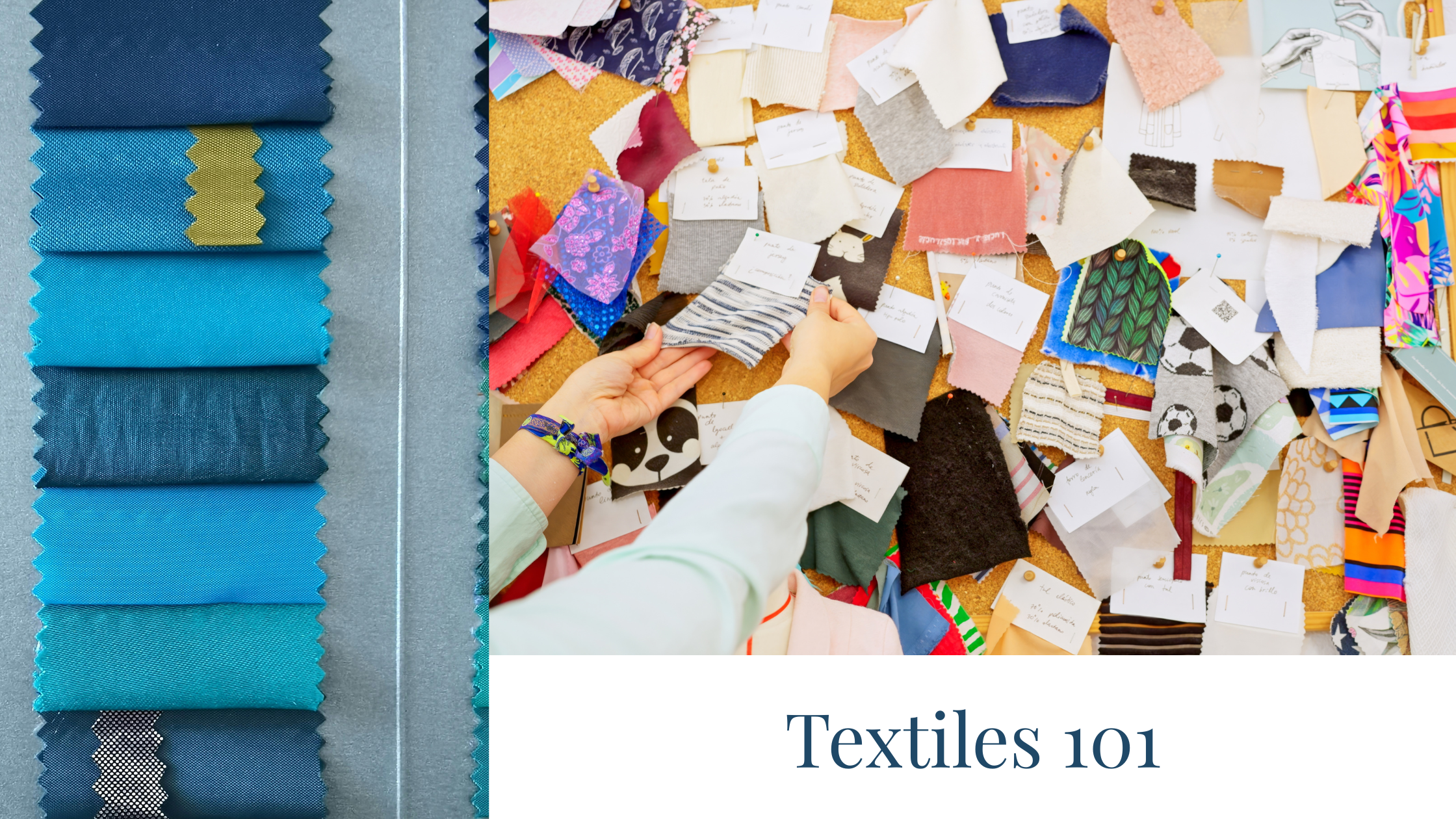
When most people think about fashion design, they picture sketchbooks, sewing machines, or beautiful finished garments. But before any of those steps begin, every successful designer makes one of the most important decisions of the entire process: choosing the right fabric.
Fabric isn't simply what a garment is made from—it influences how a design looks, feels, moves, wears, and even how long it will last. Understanding textiles is one of the foundational skills of both fashion design and sewing, and it's also one of the most important tools we have for creating a more sustainable wardrobe.
Fabric Shapes Design
Imagine designing a flowing evening gown from heavyweight canvas or trying to make structured jeans from a lightweight rayon challis. Even the most beautiful sketch can fail if it's paired with the wrong fabric.
Every fabric has unique characteristics that affect the final garment:
Drape
Stretch and recovery
Weight
Texture
Durability
Breathability
Ease of sewing
Learning to recognize these qualities helps designers & stitchers choose fabrics that support—not fight against—their vision. It's why professional fashion designers often begin by handling fabric samples before finalizing a design.
For sewists, this knowledge makes projects more successful and far less frustrating. Understanding why a knit behaves differently from a woven, or why certain fibers shrink or wrinkle, leads to better planning and better results.
Understanding Fiber Content
Not all fabrics are created equal.
Two fabrics may look nearly identical but perform completely differently because they're made from different fibers. Cotton, linen, wool, silk, polyester, nylon, rayon, and bamboo each have their own strengths, weaknesses, and environmental impacts.
Learning where fibers come from helps us understand:
How fabrics are produced
How they wear over time
How they should be cared for
How easily they can be repaired
What happens to them at the end of their life
These aren't just technical details—they're essential pieces of making thoughtful design decisions.
Textiles and Sustainability Go Hand in Hand
One of the simplest ways to become a more sustainable maker is to become a more informed consumer of fabric.
Fast fashion has made clothing inexpensive, but often at the cost of quality and longevity. Understanding textiles helps us recognize the difference between fabrics that are made to last and those designed for short-term use.
When we know more about fiber content and fabric construction, we begin asking better questions:
Will this garment last for years?
Can it be repaired?
How much energy and water went into producing this fiber?
Is this a natural or synthetic fiber?
What happens when I'm finished with it?
Rather than buying based solely on appearance, we begin choosing materials that align with our values and create garments we'll truly enjoy wearing.
Learning Through Touch
Reading about fabrics is helpful—but touching them is transformative.
One of the most exciting parts of our Textiles 101 class is spending our second session at Stonemountain & Daughter in Berkeley. Surrounded by hundreds of beautiful fabrics, students learn to identify fibers, compare textures, understand drape, and recognize the subtle differences between materials that photos simply can't capture.
Developing this tactile understanding builds confidence that translates into every future sewing or fashion project.
Who Should Take This Class?
This class is designed for teens and adults who want to deepen their understanding of textiles, whether they're pursuing fashion design, learning to sew, building a portfolio for fashion school, or simply curious about the materials that make up the clothes they wear.
Over two hands-on sessions, students will explore:
The difference between knit and woven fabrics
How fabrics are constructed
Natural, synthetic, and regenerated fibers
How fiber content affects performance and sustainability
Common fabric names and characteristics
How to confidently choose the right fabric for future projects
Whether your goal is to create beautiful garments, sew with greater confidence, or make more sustainable choices, understanding textiles provides a foundation you'll use for years to come.
The best designers don't just know how to sew—they understand the materials they're working with. Once you learn the language of fabric, you'll never look at clothing the same way again.