
Achieving Success at Craft Fairs: A Complete Guide for Makers and Seller
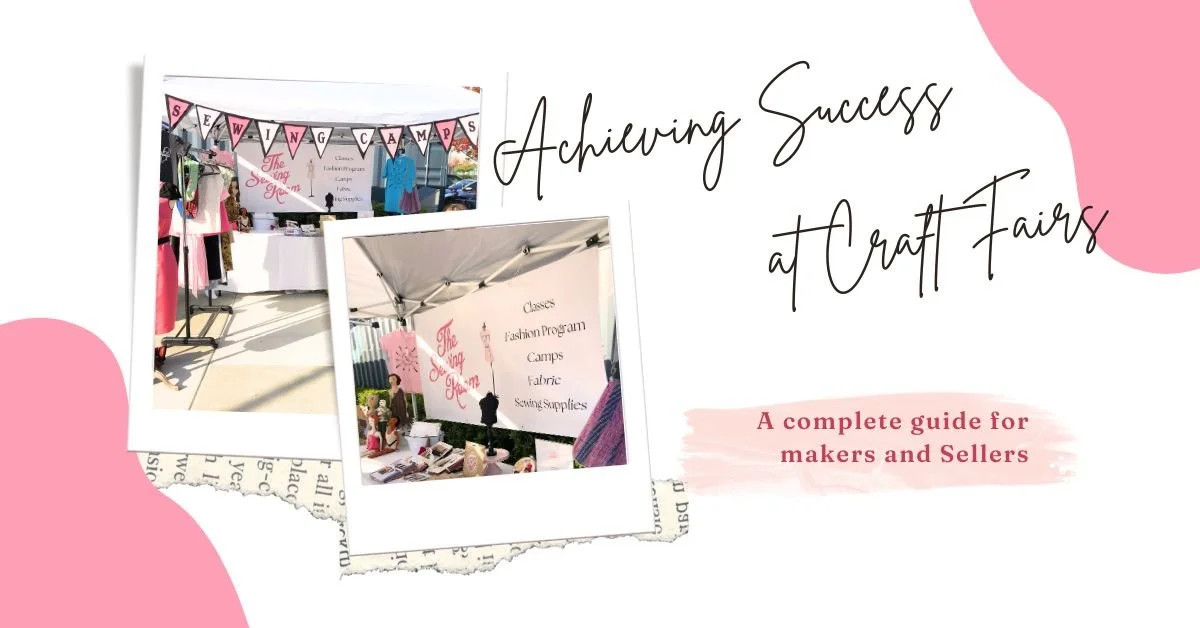
Craft fairs provide a unique opportunity to showcase your handmade goods, connect with potential buyers, and expand your business reach. However, simply attending isn’t enough to guarantee success. To stand out and achieve your goals, you’ll need a solid strategy that covers everything from pricing to creating an appealing booth. This guide offers fresh insights to help you make the most of your craft fair experience and grow your artisan business.
Setting Smart and Profitable Pricing
Establishing the right price for your handmade items is crucial. Start by calculating all costs, including materials, time, and any overhead expenses. Once you have a base cost, add a margin that reflects your skill and effort. Avoid undervaluing your work—craft fair customers often value the quality and uniqueness of handmade items. Try offering a variety of pricing options, such as bundles or tiered discounts, to encourage larger purchases. Use product tags or displays to emphasize your work’s unique features, helping buyers understand the value behind the price.
Personalizing Products to Stand Out
Offering customizable options can give you a competitive edge. Buyers love personalized items that feel tailored to their preferences. You might offer engraving, custom colors, or made-to- order designs. Keep a portfolio of past work at your booth to inspire ideas and show what’s possible. Make the customization process easy to understand, with manageable timelines for delivery, especially if you’re creating on-site. Personalization not only attracts attention but also helps you build stronger connections with your customers.
Designing an Eye-Catching Booth
Your booth is more than just a place to sell; it’s an opportunity to express your brand’s personality. Use cohesive design elements, such as matching colors and props, to create a welcoming and visually striking display. Include signage or small boards that tell the story behind your creations, helping customers connect with your work on a personal level. Consider interactive features, such as live demonstrations or small giveaways, to draw people in and keep them engaged. A thoughtfully designed booth can transform visitors into loyal customers.
Making Payments Convenient
A seamless payment process is key to ensuring sales flow smoothly. While cash remains a reliable option, offering mobile payment methods like credit card readers and contactless systems can make transactions easier for customers. Test your payment tools in advance to avoid issues on the day of the event. QR codes linked to your payment system or website can also speed up the checkout process. Don’t forget to have a cash float with small denominations to accommodate traditional cash transactions.
Strategizing Your Inventory
Bringing the right mix of products to a craft fair can make a big difference. Focus on items that cater to a variety of price points, appealing to impulse buyers as well as those seeking premium pieces. Prioritize best-sellers and event-specific products, and avoid overloading your booth with too many options. Keep your inventory organized for quick restocking during the fair, and consider adding seasonal or holiday-themed items to capture attention. A well-thought-out inventory ensures you’re prepared to meet customer demand without unnecessary stress.
Packing Essentials for a Smooth Day
Preparation is the key to handling unexpected challenges. Pack essential tools like scissors, tape, extra product labels, and pens to address last-minute needs. A portable power bank is invaluable for keeping your devices charged throughout the day. Bring a basic toolkit for quick fixes and, if you’re at an outdoor event, include weather-protection items like a canopy and weights. By planning ahead, you’ll be able to focus on interacting with customers rather than scrambling to solve avoidable problems.
Reviewing and Learning After the Event
Once the event is over, take time to evaluate your performance. Identify which products were most popular, and consider any feedback you received from customers. Assess whether your booth layout and overall presentation were effective in attracting attention. Review your pricing strategy, payment methods, and inventory to identify areas for improvement. Use this analysis to refine your approach for future events, ensuring continued growth and success.
Promoting Your Booth With Creative Tools
Leverage design tools to elevate your craft fair presence and attract more visitors. Platforms like Adobe Express can help you create professional, branded materials, such as:
Polished logos or branding updates to modernize your image.
Attractive price tags and product labels that align with your brand identity.
Social media graphics to generate excitement and encourage foot traffic to your booth.
Customized business cards or postcards with your contact details for follow-ups with buyers.
Craft Fairs: Building More Than Just Sales
Craft fairs are about more than just selling products—they’re a chance to share your story, connect with a community, and strengthen your brand. With careful preparation and a focus on creating a memorable customer experience, you can turn these events into a cornerstone of your business strategy. Each fair offers an opportunity to grow, learn, and showcase your creativity, helping you thrive as an artisan in a competitive market.
Unleash your creativity with The Sewing Room’s comprehensive sewing and fashion design classes, tailored for all ages and skill levels. Join our vibrant community of creators and start your sewing journey today!